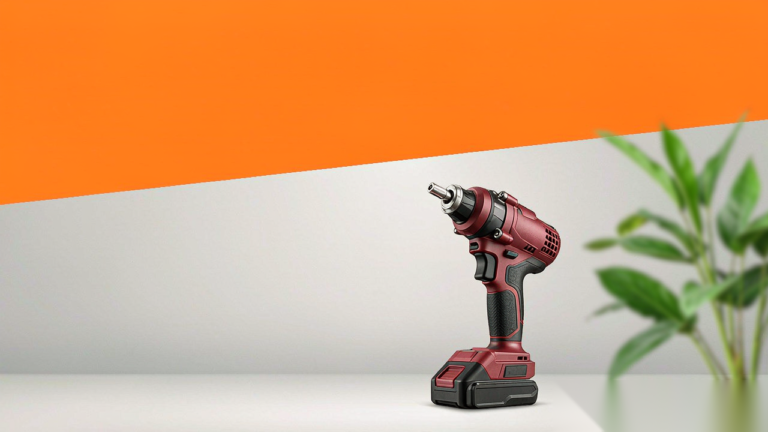
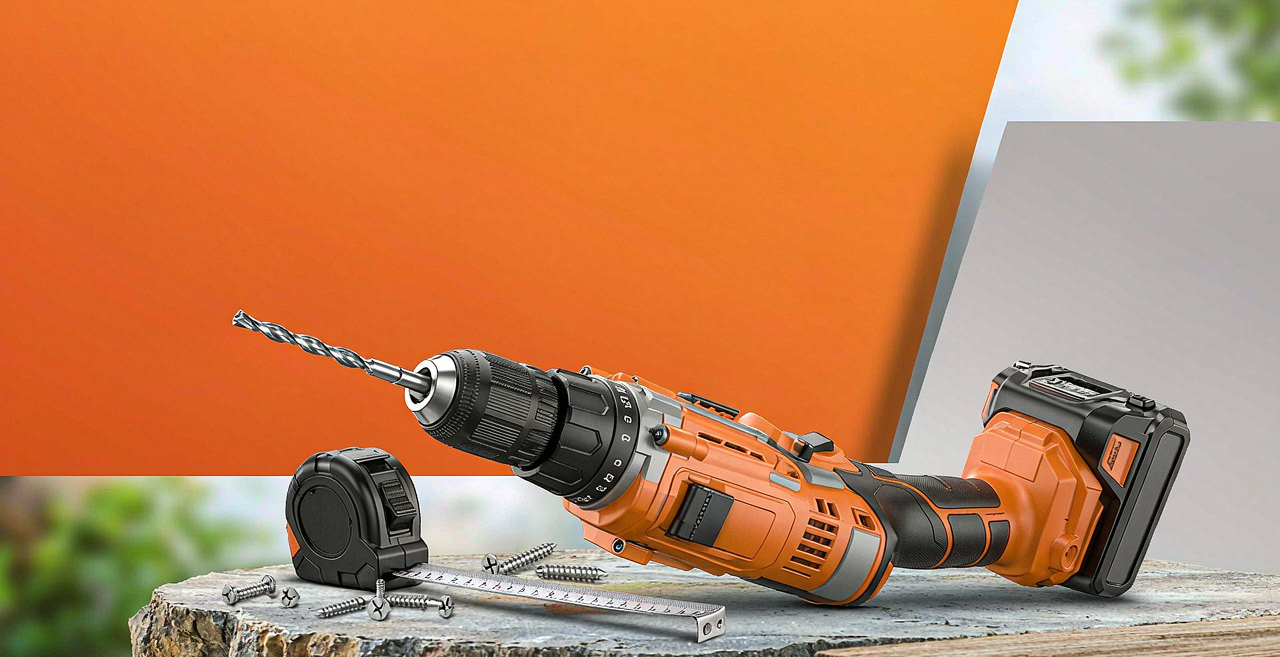
If you’re standing in the tool aisle — or scrolling a product page — wondering whether a 10mm brushless cordless drill is the right call, you’re not alone. It’s the single most-asked question we get at Raynestools, and for good reason: the 10mm (3/8″) chuck size sits in a golden zone between toy-grade mini drivers and heavy 13mm hammer drills.
This guide cuts through the marketing. By the end, you’ll know exactly what to look for, when a brushless motor actually matters, and how a drill differs from an impact driver — so you buy once and use it for years.
Why 10mm Is the Size Most People Actually Need
The chuck determines the maximum drill-bit shank it can hold. Here’s the practical breakdown:
| Chuck size | Common use | Who it’s for |
|---|---|---|
| 6–8mm (1/4″) | Light screwdriving, tiny pilot holes | Furniture assembly only |
| 10mm (3/8″) | Wood, plastic, light masonry, screws | Homeowners, DIYers, pros on light jobs |
| 13mm (1/2″) | Heavy timber, large bits, hammer drilling | Framing, renovation, trades |
A 10mm drill handles the vast majority of household and workshop tasks: mounting shelves, assembling flat-pack furniture, drilling into softwood and plastic, driving screws, and installing fixtures. It’s light enough to use one-handed and powerful enough that you won’t hit a wall on typical jobs.
Rule of thumb: If you can’t remember the last time you needed a bit thicker than a pencil, 10mm is your size.
Brushless vs Brushed: Does It Matter?
Short answer: yes, and the gap is wider than the price difference suggests.
A brushed motor uses physical carbon brushes to transfer power. A brushless motor is electronically commutated — no brushes to wear out.
| Brushed | Brushless | |
|---|---|---|
| Runtime per charge | Baseline | ~20–30% longer |
| Motor lifespan | Wears with use | Far longer |
| Heat & efficiency | More heat loss | Runs cooler, more torque |
| Weight | Slightly heavier | Lighter |
| Price | Cheaper | Higher upfront |
For occasional use, a brushed drill is fine. But if you drill more than a few times a month, brushless pays for itself: longer battery life means fewer interrupted jobs, and the cooler, more efficient motor holds torque under load — exactly when you need it.
Key Specs to Check Before You Buy
Don’t get lost in the numbers. These five matter most:
- Torque (N·m): For 10mm home drills, 25–45 N·m covers virtually everything. More isn’t always better — high torque in a small body can twist your wrist.
- Voltage: 12V (20V max) is the sweet spot for 10mm drills — enough power, light weight.
- RPM: 0–1,500 rpm is plenty; a 2-speed gearbox (low for screws, high for drilling) is the feature to want.
- Chuck type: Keyless metal chuck beats plastic — it holds bits tighter and lasts longer.
- Battery platform: A lithium pack with a real capacity (≥2.0 Ah) and a shared platform (same battery across tools) saves money long-term.
Drill vs Impact Driver: Know the Difference
This confuses a lot of buyers, so here’s the clean version:
- A drill spins a bit to make holes and drive screws. It applies steady rotational force.
- An impact driver adds rapid rotational “blows” (impacts) — it drives long screws and lags into timber without stripping heads or stalling.
You want both for a complete kit. Use the drill for holes and controlled screwdriving; reach for the impact driver when screws get long, tight, or stubborn. They’re complementary, not competing. (Our compact brushless impact driver pairs with the same battery — more on that in a future post.)
5 Maintenance Habits That Double Your Drill’s Life
- Let the battery cool before recharging after heavy use.
- Keep the chuck clean — wipe out dust so bits seat properly.
- Use the clutch setting (torque collar) to avoid overdriving screws and stalling the motor.
- Store batteries at ~40–60% charge if unused for months.
- Don’t force it — let the bit cut; pushing hard just heats the motor.
Frequently Asked Questions
Q: Can a 10mm drill go through concrete or brick?
A: Light masonry with a masonry bit, yes — but for serious concrete, you want a hammer drill (13mm class). Use 10mm for what it’s built for: wood, plastic, metal sheet, and screws.
Q: Is brushless worth the extra cost for a weekend DIYer?
A: If you use it more than monthly, yes. The runtime and lifespan gains are real, and the resale value is higher.
Q: 12V or 18V/20V for a 10mm drill?
A: 12V (20V max) is ideal — lighter and plenty strong for 10mm tasks. Go 18V only if you’re also buying bigger tools on the same platform.
Q: How long does the battery last?
A: A 2.0 Ah pack typically drives 100–200 screws per charge in a 10mm brushless drill. Brushless extends this vs brushed.
The Bottom Line
A 10mm brushless cordless drill is the most sensible first (or only) cordless drill for most people: light, capable, and long-lived. Prioritize brushless, a 2-speed gearbox, a metal keyless chuck, and a battery platform you can build on.
Ready to put theory into practice? Explore the Raynestools 10mm brushless drill → — engineered for the jobs you actually do.